


Royal Mail has reduced its carbon emissions by 31% since 2021, according to its latest Sustainability Report, published on July 2, as the company continues to work toward its target of net-zero by 2040.
Average emissions per parcel delivered fell to 164gCO2e, down 6% on last year. The company’s total market-based emissions were 1,085 KtCO2e in 2025-26, a 31% reduction on its 2020-21 base year and a 7% decrease year-on-year.
Royal Mail said the reduction has been driven by continued investment in fleet electrification, increased use of the fossil-free biofuel hydrotreated vegetable oil (HVO) in heavy goods vehicles, and energy efficiency improvements across its estate.
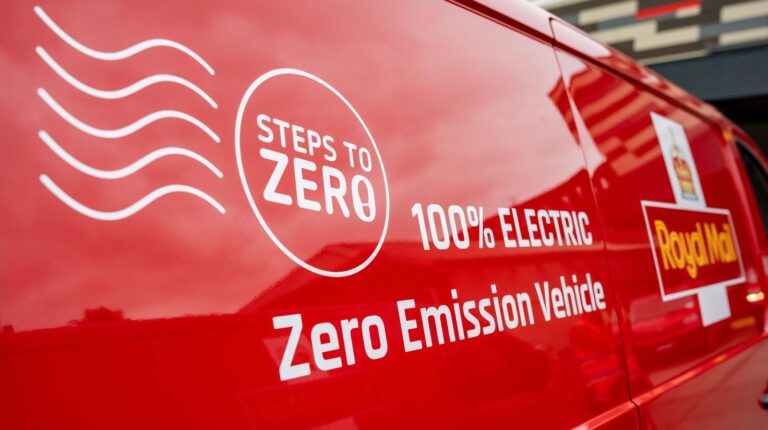
Fleet electrification remains central to the company’s net-zero strategy. Royal Mail deployed more than 2,000 electric vans over the past year, expanding its electric delivery fleet to more than 8,500 vehicles. The company said nearly a third of its delivery routes are now zero-emission, with 44 delivery offices fully electric.
Royal Mail is also beginning to decarbonize its national distribution network, introducing its first electric heavy goods vehicles (eHGVs) in December. In the same month, the company deployed its first 80 micro electric vehicles (MEVs) across locations including London, Bristol, Newcastle-under-Lyme, Solihull, Brighton and the Scilly Isles.
Jenny Hall, chief corporate affairs officer at Royal Mail, said, “We’re making great progress in cutting emissions and transforming Royal Mail into a smarter, greener and more resilient business. By investing in electric vehicles and cleaner fuels, we’re reducing our environmental impact while delivering a more reliable service for our customers and supporting healthier communities.”
Related news, DP World passes 160,000 metric tons of CO2 e savings across UK supply chains