


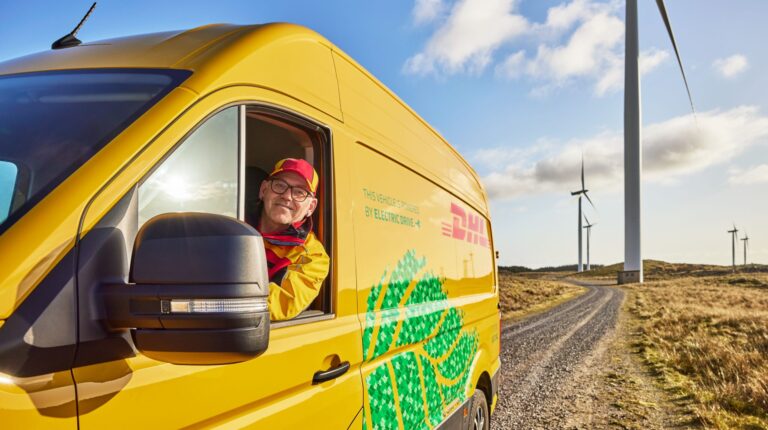
DHL is expanding its global battery logistics network to support growing demand from electric mobility, battery manufacturing, industrial equipment and energy storage.
The company said its network of EV and Battery Centers of Excellence currently connects more than 20 sites worldwide, with further expansion planned. The network combines services from DHL Supply Chain, DHL Global Forwarding and DHL Express, covering manufacturing logistics, transportation, warehousing, aftermarket services and battery lifecycle management.
Demand for specialized battery logistics is increasing as electrification expands beyond passenger vehicles into industrial equipment, mining and energy infrastructure. DHL said some battery systems now weigh more than 50 tons, creating additional requirements for handling, regulatory compliance and global coordination.
“Battery logistics is fundamentally different from traditional supply chains,” said Francisco Milián, head of inbound to manufacturing, DHL Supply Chain EMEA and a member of the DHL New Energy Board.
“Customers need specialized capabilities throughout the entire battery lifecycle, from inbound logistics and manufacturing support to storage, distribution, refurbishment, returns and recycling. By building a connected global network that combines supply chain and transport expertise, we can bring these capabilities closer to production sites, energy projects and end markets while ensuring the safety, compliance and responsiveness that battery supply chains require.”
DHL said its specialized facilities combine warehousing with services including battery diagnostics, testing, charging, conditioning, repair, reverse logistics and recycling preparation. In Halle, Germany, the company recently made 13,000m2 of battery-ready warehouse space available, and a specialized facility in Hungary is expected to become operational in 2027.
The company is also supporting the deployment of utility-scale battery energy storage systems (BESS), grid infrastructure and renewable energy projects. During the first half of 2026, DHL delivered more than 1,100 BESS units worldwide.
“Electrification is creating logistics requirements that range from global battery supply chains to the deployment of grid-scale energy infrastructure,” said Martyn Lawns, CEO of DHL Industrial Projects and senior vice president of growth for new energy at DHL Group.
“Through DHL Global Forwarding and its DHL Industrial Projects unit, we combine international freight expertise, dangerous-goods compliance, project logistics and heavy-lift execution into a single solution.”
In related news, DHL Express adds weekly freighter flight between Bahrain and Johannesburg